


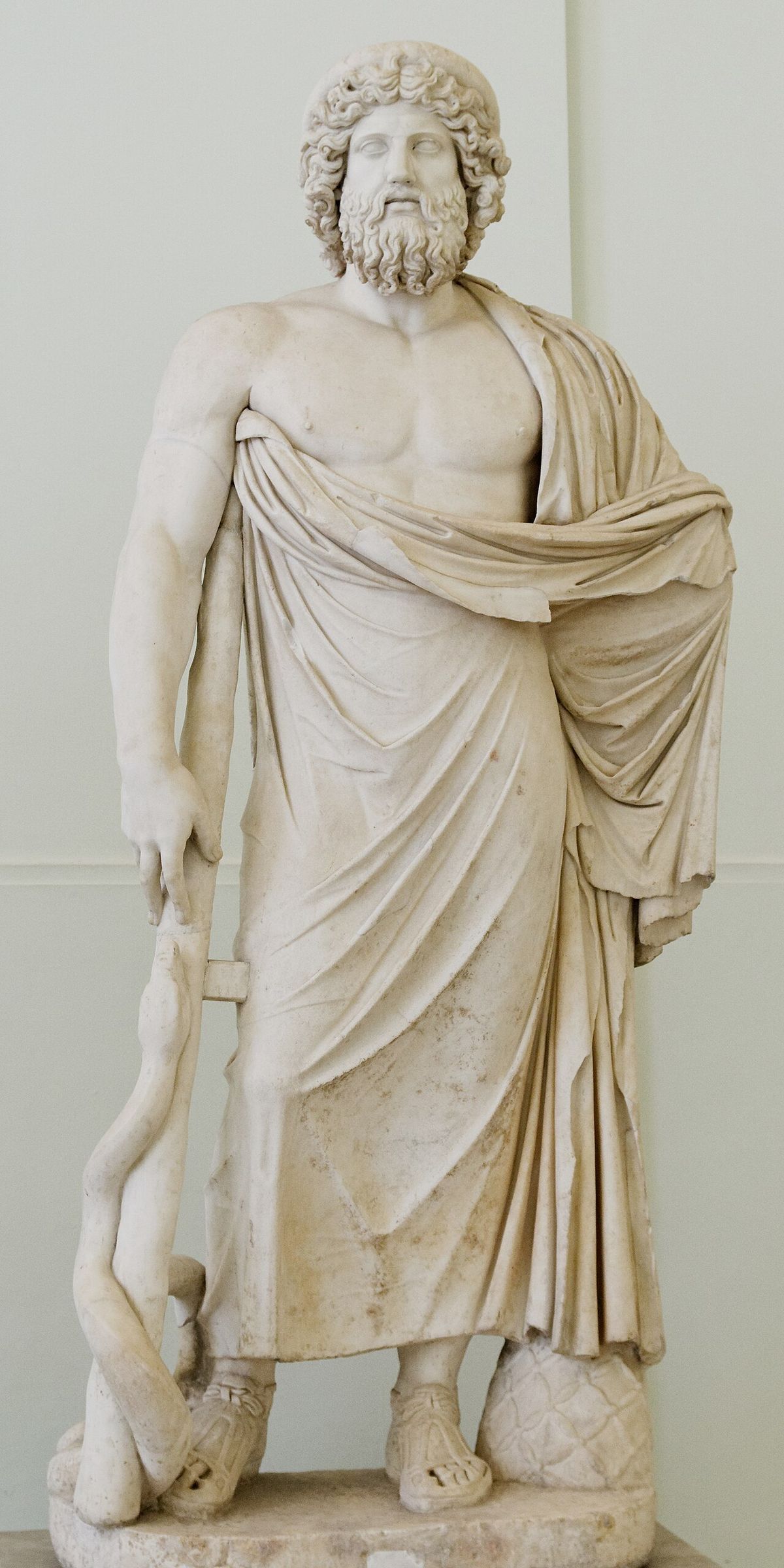
There was a time when medicine did not begin in the fluorescent barrenness of the modern clinic, nor in the sterilized arrogance of the textbook, nor in the dead alphabet of reductionist matter alone. It began in a temple. In a grove. In a dream. In the trembling crisis of a human being who had exhausted the merely intellectual path and found himself forced, by failure, anguish, and destiny itself, to ask the living world for instruction.
This is the world preserved in the strange and beautiful Letter of Thessalos, the introductory vision-text attached to De virtutibus herbarum — On the Virtues of Herbs. Philip Harland describes the text as a first-century letter serving as the preface to an astrological guidebook on medical materials, where Thessalos, after studying medicine in Alexandria, discovers a book of Nechepso promising cures through plants, stones, and zodiacal correspondences. But when he attempts the remedies, they fail. His book-learning collapses. His confidence dies. He wanders Egypt in despair, seeking the missing key.
This is the real beginning of medicine: not mastery, but humiliation. Not ownership of nature, but confession before it.
Thessalos’ soul does what the modern world has largely forgotten how to do. He prays for knowledge to come not merely through external data, but through “a vision in a dream” or divine spirit. He travels to Diospolis — Thebes, that ancient Egyptian womb of temples — and there he finds a priest who knows the old technology: purification, solitude, silence, invocation, divine names, and the preparation of the inner body to receive intelligence.
After three days of purity, Thessalos is enclosed in the sacred room. The god is expected to sit upon the throne. And then the medical event becomes a visionary event. Asklepios appears. The text says the vision exceeded ordinary human language; Thessalos could not fully express the god’s face or the beauty surrounding him. The divine physician reaches out his right hand and addresses him in Greek: “ὦ μακάριε … Θεσσαλέ” — blessed Thessalos. Then the god tells him: “Ask freely.”
That is the great inversion. The true physician is not merely the one who commands nature. The true physician is the one who is allowed to ask.
Thessalos asks the real pharmacological question: why did the prescriptions fail?
And Asclepius answers with a principle that is still scientifically sound. Nechepso, the god says, understood the sympathy of stones and plants with the stars, but not the “correct times and places” for gathering the plants. Beneath the astrological language is a pharmacognostic truth: a plant is not a static object. A plant is a living event. Its chemistry is shaped by season, light, soil, heat, water, stress, altitude, developmental stage, plant part, harvest timing, and post-harvest treatment. Modern reviews in medicinal plant science say the same thing in modern language: environmental conditions significantly affect secondary metabolites, and harvest timing matters because active compounds peak at particular phases of the growth cycle. (PubMed)
So when Asclepius speaks of stars, times, and places, we do not need to flatten the passage into superstition. We can read it as an ancient symbolic science of ecological chemistry. The stars may be the old language of cosmic timing; the modern laboratory calls it photoperiod, circadian rhythm, seasonality, abiotic stress, genotype-environment interaction, and metabolic plasticity. But the principle is the same: the medicine is not merely in the plant. The medicine is in the relationship between plant, place, time, and the perceiving healer.
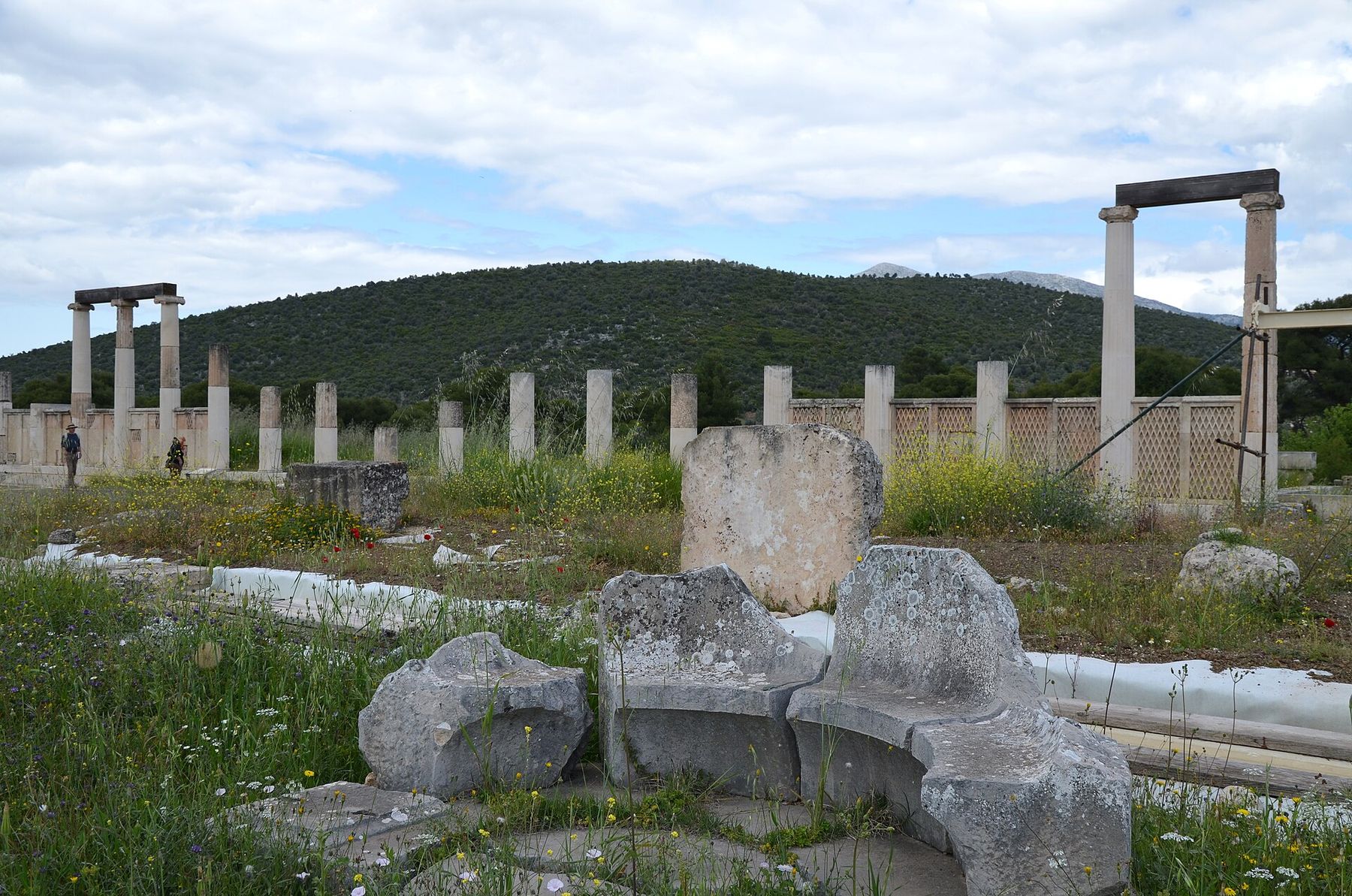
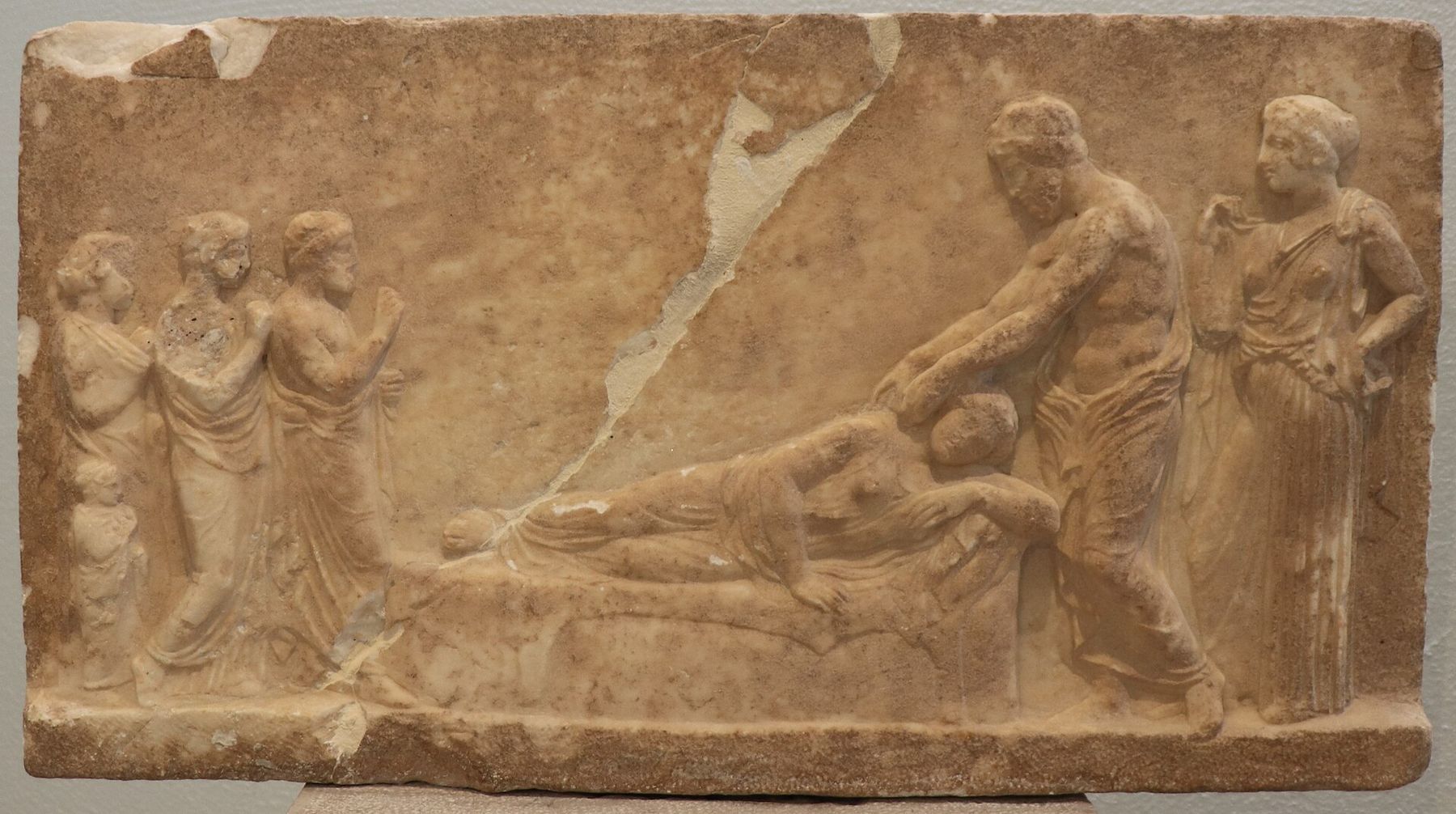
This is not isolated. The Asklepieia of Greece were not simply “hospitals” in our modern sense; they were sacred healing complexes where purification, sacrifice, sleep, dream, diet, herbs, surgery, and divine encounter belonged to one wholistic system. The abaton, or enkoimeterion, was the sleeping place where the sick entered sacred incubation and waited for Asclepius to appear in dream, either curing them directly or giving instructions for treatment. (OUP Academic)
This is medicine before the mutilation of reality into separate departments. The patient was not treated as a machine with symptoms. The patient was a soul-body complex, a troubled field, a living ecology. The dream was not “just imagination.” The dream was diagnostic space. The temple was not “just religion.” The temple was therapeutic architecture. The plant was not “just chemical constituents.” The plant was a biological intelligence whose chemistry had to be approached at the right time, in the right condition, through the right relational posture.
This same pattern appears far beyond Greece. Among Xhosa healing traditions, dreams of ancestors and medicines are central to the diviner’s vocation and practice; the ability to dream of ancestors, clients, and medicinal plants is part of the healer’s professional and religious stock-in-trade. (Journals) In Xhosa accounts of becoming a healer, the calling may arrive through illness, dreams, voices, symbolic communications, and eventual training under an initiated healer. (PMC) In one conservation study, Xhosa ritual sites in the forest could be shown to a diviner in a dream, and plant and animal materials necessary for traditional medicine were understood as belonging to sacred ancestral landscapes. (South African Journal of Science)
This is not the same tradition as Thessalos, and we should not pretend that all sacred medicines are one identical system. But the parallel is unmistakable: the healer is called, broken open, instructed, disciplined, and then made useful. Knowledge descends through dream, ancestor, god, spirit, plant, place, and ordeal. The medicine is not merely extracted. It is received.
The same broad family of sacred healing appears across antiquity: Asclepius, Amphiaraos, Trophonios, Egyptian Imhotep, temple sleep, incubation, oracular medicine, physician-seers, and ritual specialists who stood at the ancient boundary between diagnosis and divination. (PubMed) Before medicine became a secular priesthood of credentialed materialism, it was often a sacred art of direct encounter.
And then comes the long historical wound.
The old world was not simply “lost.” It was renamed. Contained. Demonized. Subordinated. Absorbed into authorized forms. In late antiquity, imperial Christian power increasingly marked rival ritual technologies — divination, magic, spirit consultation, unauthorized rites, pagan cult, and heterodox spiritual practice — as illegitimate or demonic. Scholars of late antiquity describe “magic” as a boundary label separating proper religion from deviant practice, and Christian writers often associated Graeco-Roman cult practices with demons. (OUP Academic)
That does not mean every Abrahamic person, text, or tradition destroyed medicine. That would be historically false. Jewish, Christian, and Islamic scholars also preserved, translated, debated, and expanded ancient medicine. But it is fair to say that imperial orthodoxy changed the terms of access. Direct contact with gods, daimones, ancestors, planetary powers, dream-healing temples, and plant spirits increasingly had to pass through approved religious authority — bishop, saint, church, scripture, relic, clerical blessing, or state-sanctioned doctrine. Pagan healing did not vanish overnight; incubation itself was transformed into Christian saint-healing and martyr-shrine practices. (Antikes Christentum)
This is where the critique becomes sharp: whenever divinity is removed from the individual and locked behind institution, hierarchy, money, empire, or priesthood, medicine loses one of its oldest organs of perception. The human being is told: you may not dream for yourself. You may not speak to the god yourself. You may not harvest the plant according to revelation. You may not know the Source except through authorized handlers.
That is not religion. That is spiritual enclosure.
And all enclosure systems serve the same hidden appetite: to move divine power away from the living person and toward the opulent few — the managers of heaven, the administrators of salvation, the owners of law, the rich men who would rather sell the map than allow the soul to walk.
Thessalos is dangerous because he bypasses that. He does not become a pharmacist by mere recipe. He does not become a physician by memorizing dead correspondences. He becomes a physician by crisis, travel, purification, vision, and direct instruction from the divine physician himself.
The revelation of Asclepius is therefore not anti-scientific. It is science before science forgot the sacred. It says: observe nature, yes — but observe her completely. Observe plant chemistry, but also season. Observe the compound, but also the soil. Observe the alkaloid, but also the moon of harvest, the drought, the altitude, the fungal pressure, the wounded leaf, the flowering stage, the hour of gathering, the intention of the hand.
Modern pharmacognosy has finally circled back to this. It now admits that medicinal plants are chemically plastic beings whose pharmacological profiles shift under environmental and developmental conditions. The ancients said the plant belongs to the stars. The laboratory says secondary metabolites respond to ecological stress. These are not enemies. They are two languages placed on opposite ends of the same serpent.
The Letter of Thessalos is one of those rare surviving windows into a medicine that was never merely material and never merely mystical. It was relational. It was experiential. It was revealed through the living interface of body, soul, god, plant, and cosmos.
Health is the floor.
The dream is the door.
The plant is the messenger.
And the physician, if he is worthy of the name, is the one who learns how to listen.
Works Cited
Furius, photographer. Votive Relief Depicting Incubation (Piraeus Museum 405 = IG II³ 4 885). 2021. Wikimedia Commons, commons.wikimedia.org/wiki/File:Votive_relief_depicting_incubation_(Piraeus_Museum_405_%3D_IG_II3_4_885).jpg. Accessed 11 Sept. 2026.
Nguyen, Marie-Lan, photographer. Asclepios MAN Napoli Inv6360. 2011. Wikimedia Commons, commons.wikimedia.org/wiki/File:Asclepios_MAN_Napoli_Inv6360.jpg. Accessed 11 Sept. 2026.
Raddato, Carole, photographer. The Stoa of the Abaton (Dormitory), Epidaurus, Greece. 2014. Wikimedia Commons, commons.wikimedia.org/wiki/File:The_stoa_of_the_Abaton_(Dormitory),_Epidaurus,_Greece.jpg. Accessed 11 Sept. 2026.
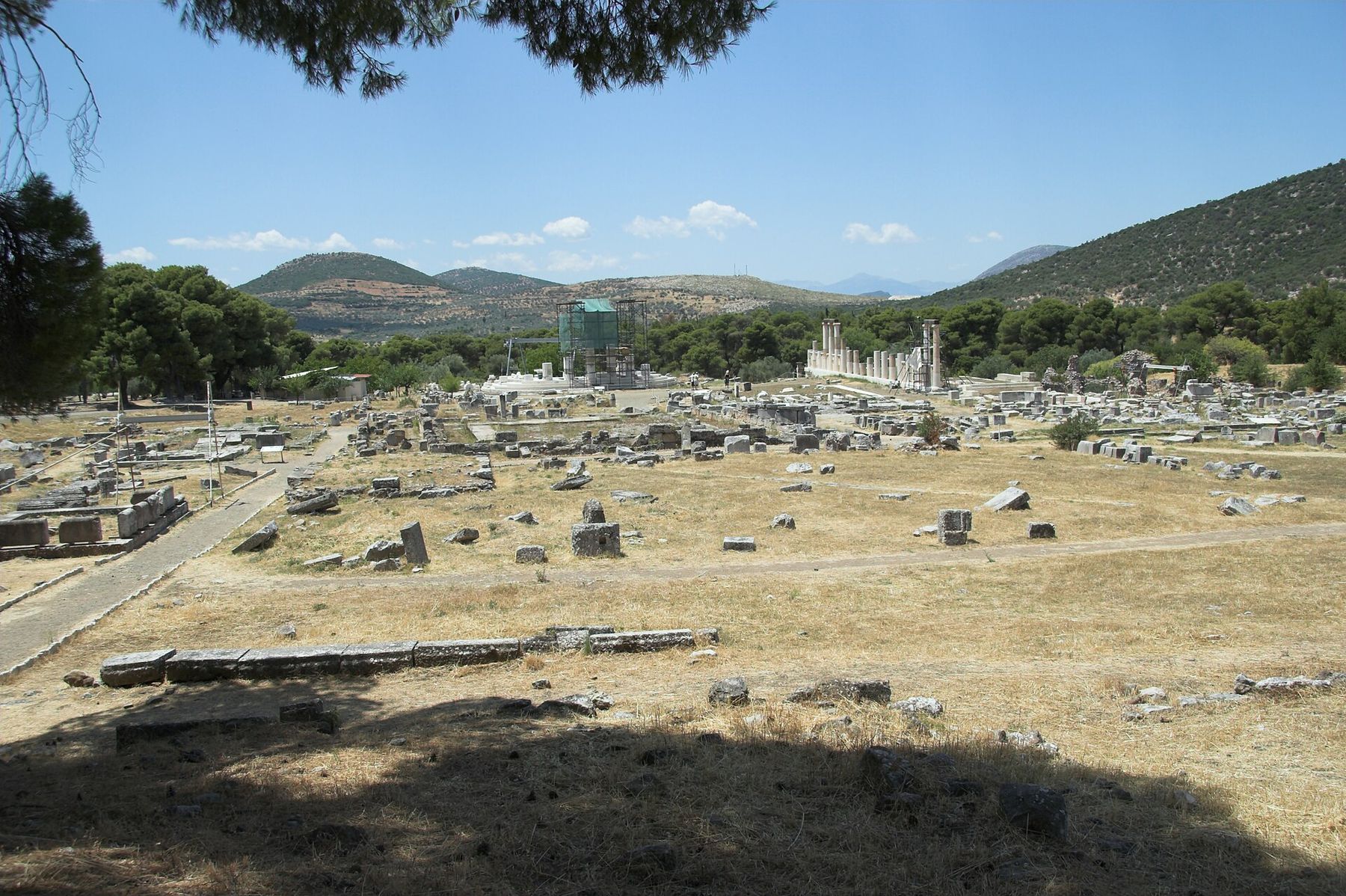
Zde, photographer. Main Sacred Area in Epidaurus from the Direction of Original Approach. 2009. Wikimedia Commons, commons.wikimedia.org/wiki/File:Main_sacred_area_in_Epidaurus_from_the_direction_of_original_approach,_091136.jpg. Accessed 11 Sept. 2026.





.jpg)
,_Epidaurus,_Greece.jpg)
